
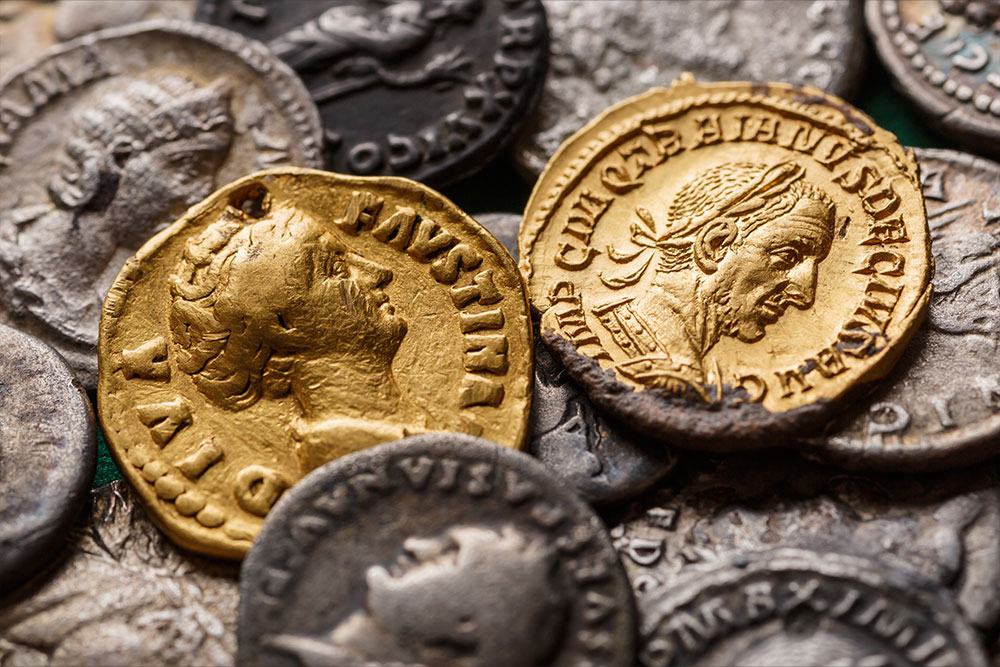
Gold and silver have been used as forms of currency for thousands of years. These precious metals have long been valued for their beauty, rarity, and inherent value, making them an ideal medium of exchange. In this article, we’ll take a look at the history of gold and silver as universal currencies.
Gold as a Universal Currency
Gold has been used as a form of currency for thousands of years. The ancient Egyptians were among the first to use gold as a medium of exchange, and gold coins were widely used in ancient Greece and Rome. In the Middle Ages, gold coins were used throughout Europe, and the gold standard, which linked the value of a currency to the value of gold, was adopted by many countries.
Silver as a Universal Currency
Like gold, silver has also been used as a form of currency for thousands of years. Silver coins were widely used in ancient civilizations, including China, Greece, and Rome. In the Middle Ages, silver coins were used throughout Europe, and the silver standard, which linked the value of a currency to the value of silver, was adopted by many countries.
The Transition to Paper Currency
In the 20th century, most countries transitioned away from the gold and silver standards and adopted fiat currencies, which are not backed by a physical commodity. Today, gold and silver are still used as forms of currency, but they are typically held as investments rather than used for everyday transactions.
Conclusion
Gold and silver have a long history as universal currencies. These precious metals have been valued for their beauty, rarity, and inherent value, making them an ideal medium of exchange. While gold and silver are no longer used as the primary form of currency in most countries, they continue to be held as investments and are recognized as a store of value around the world.